
We design and install solar for farms and agricultural businesses across mainland Spain and the Balearic Islands: irrigation pumping, farm buildings, livestock units, cooperatives, packing and handling warehouses, wineries and other food producers. Agriculture is one of the most seasonal electricity users there is, so we size every system to the farming year rather than to an annual total.
We carry out the assessment, the design, the procedures, the installation and the commissioning. One team from the first visit to handover.
Request an agricultural solar assessment
Irrigation pumping
Irrigation is the clearest case for agricultural solar. Pumps run in daylight, the heaviest pumping falls in spring and summer when output is highest, and in many areas the electricity bill for a pumping station is the largest cost the farm controls. A system sized to the pumps can supply a large share of their demand directly.
There are two broad approaches, and we will tell you which suits your site. A grid-connected system sits alongside the existing supply and covers part of the pumping load, with the grid filling the gaps. A direct solar pumping system drives the pump through a variable-speed drive without relying on the grid, which suits remote boreholes and reservoirs where bringing in a supply would be expensive. Where you pump into a reservoir or balsa, the reservoir itself works as storage: pump while the sun shines and irrigate when you need to.
Farm buildings, cooperatives and processing
Packing houses, cold rooms, grain stores, milking parlours, livestock ventilation and farm workshops all use electricity in working hours, and most have large, simple roofs. We assess the roof structure and condition first. Older farm buildings often have fibre-cement roofs, and anything that may contain asbestos needs a specialist check before we design the fixings.
Cooperatives and producer groups can look at several members' sites together, or at a shared facility that serves them all. Where buildings are close to each other, collective self-consumption may allow one installation to supply several connected consumers. We explain whether that route is open to you during the assessment.
Sizing around the farming calendar
The same farm can use most of its electricity in three months and very little in the rest of the year. A winery peaks at harvest and during fermentation cooling in late summer and autumn. Citrus packing runs through the winter. An olive mill works hardest between November and February, when the days are shortest. Irrigation peaks in the hottest months.
We build the profile from your interval consumption data, month by month, and size the system so the generation is used rather than exported. Where demand is strongly seasonal, a smaller system that is fully used often beats a larger one that spends half the year exporting. We show you both, with the return on each.
Roof or ground-mounted
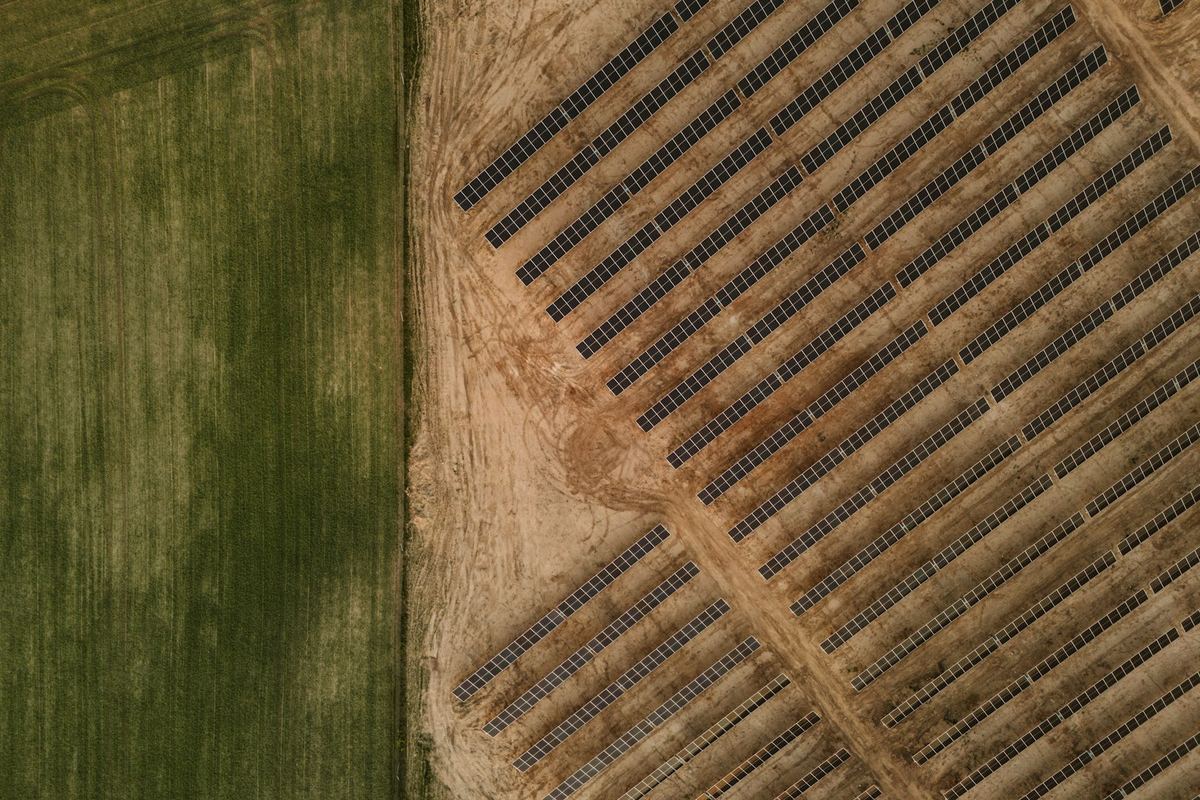
Rooftop systems on existing buildings are usually the quickest route, because the building is already there and the procedure is lighter. Ground-mounted arrays give more freedom on size and orientation and are common for irrigation, but installing on agricultural land involves additional municipal and regional procedures, and the timetable is longer. We confirm the route that applies to your plot before we give you a programme, and we handle the procedures for you.
Agrivoltaic layouts, with panels raised above crops or grazing, are another option where land is the constraint. They cost more per kWp than a standard ground array and suit particular crops, so we assess them case by case.
Cost and return on a farm
Rooftop agricultural projects generally fall within the national range for commercial solar, broadly €500 to €1,200 per kWp installed before IVA. Ground-mounted and solar pumping systems are priced on their own structure, cabling and drive equipment, and we show those items separately.
Many irrigation and agricultural supplies are on business tariffs with contracted capacity that changes through the year. We read your bills by tariff period and value the solar output against the periods it actually displaces. The method is set out in our guide to Spanish business electricity tariffs.
Frequently asked questions
Can solar run an irrigation pump without a grid connection? Yes. A direct solar pumping system runs the pump through a variable-speed drive whenever there is enough sunlight. It suits boreholes and reservoirs away from the grid. Output varies with the weather, so we size the pumping and storage around your irrigation needs.
We only use most of our electricity at harvest. Is solar worth it? It depends on how much of the year you use what the panels generate. We model your consumption month by month and show you the share of output you would use and what the rest is worth before you decide.
Do you work with cooperatives? Yes. We can assess a shared facility or several members' sites together and rank them by return, while each site still receives its own survey and design.
Can panels go on a barn with an old fibre-cement roof? Only after the roof has been checked by a specialist. If asbestos is present, it has to be dealt with before we fix anything to the roof. A ground-mounted array or a new roof may be the better route, and we will price the options.
Request an agricultural solar assessment
Send us the location, what the electricity is used for, the months you use most and a recent bill. We will review it and let you know whether a farm visit makes sense. There is no charge for this first review.